
Introduction to Customs Facilities for Manufacturing
In the competitive landscape of global trade, manufacturing companies must optimize their operational costs to remain viable. One of the most significant costs associated with production involves the importation of raw materials and capital goods. To support export-oriented industries, customs authorities provide various fiscal incentives. Two of the most prominent facilities are the Bonded Zone (Kawasan Berikat) and the KITE (Kemudahan Impor Tujuan Ekspor) facility.
Understanding the difference between Bonded Zone and KITE is essential for business owners, logistics managers, and financial controllers. While both offer exemptions or deferrals on import duties and taxes, they operate under different regulatory frameworks and physical requirements. This guide provides an in-depth analysis of these facilities, focusing on the KITE facility requirements for manufacturing and the structural differences of Bonded Zones.
What is a Bonded Zone (Kawasan Berikat)?
A Bonded Zone is a specific building, place, or area with certain boundaries within which industrial activities are carried out. These activities include the processing of goods and materials, activities of design, engineering, sorting, initial examination, and final inspection of products primarily intended for export. In a Bonded Zone, the area is considered ‘outside’ the customs territory for duty purposes.
Under current customs regulations, goods entered into a Bonded Zone receive facilities such as the suspension of import duties, non-collection of Value Added Tax (VAT) and Luxury Goods Sales Tax (LST), and exemption from Income Tax Article 22 on imports. The primary characteristic of a Bonded Zone is its physical isolation and the presence of customs supervision within the designated area.
What is KITE (Kemudahan Impor Tujuan Ekspor)?
KITE, which translates to ‘Import Ease for Export Purposes,’ is a facility provided to manufacturing companies that import raw materials to be processed, assembled, or installed on other goods with the end goal of exporting the finished products. Unlike the Bonded Zone, KITE is not a specific geographic area but rather a status granted to a legal entity.
There are generally two types of KITE facilities: KITE Exemption (Pembebasan) and KITE Drawback (Pengembalian). KITE Exemption allows the company to import materials without paying import duties or VAT at the time of entry. KITE Drawback involves paying the duties upfront and claiming a refund after the finished goods have been exported. Meeting the KITE facility requirements for manufacturing is crucial for maintaining this status and ensuring smooth customs clearance.
Key Difference Between Bonded Zone and KITE
The difference between Bonded Zone and KITE can be categorized into several aspects, including location, fiscal treatment, and administrative control.
1. Physical Location and Boundaries
A Bonded Zone requires a specific, physically demarcated area. The company must have a clear boundary (such as a fence) and a gate for customs control. In contrast, KITE does not require the company to be located in a specific designated zone. A factory located in a general industrial estate or even a standalone location can apply for KITE as long as they meet the manufacturing criteria.
2. Customs Supervision
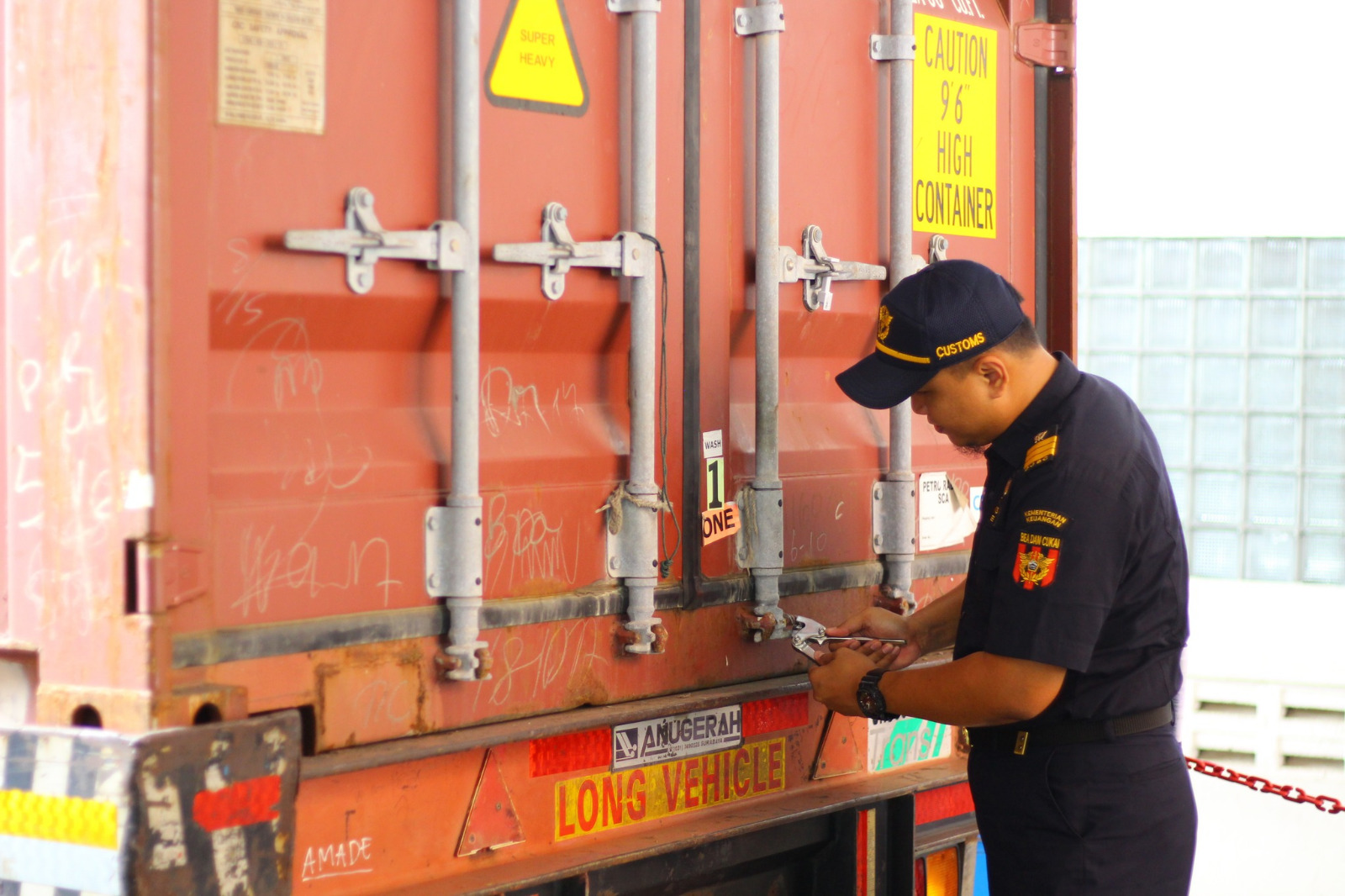
In a Bonded Zone, customs supervision is intensive. There is often a customs office or designated officers stationed at or near the facility to monitor the movement of goods. For KITE, supervision is primarily administrative and based on post-clearance audits and IT-based monitoring systems.
3. VAT Treatment
One of the most significant differences lies in the VAT treatment. In a Bonded Zone, VAT on the purchase of local raw materials is typically not collected (VAT 0%). For KITE facilities, the treatment of local VAT may vary depending on the specific sub-type of the facility and the latest ministerial regulations, but generally, the focus of KITE is on the exemption or refund of import-related duties.
4. Sales to Local Market
Bonded Zones have strict quotas regarding how much of their production can be sold to the local (domestic) market, usually capped at a certain percentage of the previous year’s export value. KITE companies are also primarily export-oriented, but the administrative process for selling ‘rejects’ or scraps locally follows different procedural paths.
KITE Facility Requirements for Manufacturing
To qualify for the KITE facility, a company must satisfy rigorous standards set by the Directorate General of Customs and Excise. These KITE facility requirements for manufacturing are designed to ensure that the imported materials are indeed used for export production and not diverted to the local market illegally.
IT Inventory System
The most critical requirement for KITE is the implementation of an integrated IT Inventory system. This system must be able to track the flow of raw materials from the moment they enter the warehouse, through the production line, and until they are exported as finished goods. The system must be accessible by customs authorities for real-time monitoring and must generate reports that reconcile imports with exports.
Manufacturing Capability
The applicant must be a manufacturing company, not a trading company. This means the company must possess the necessary machinery, production lines, and workforce to transform raw materials into a new product with added value. Customs officials will typically conduct a physical inspection of the factory to verify these capabilities.
Financial and Legal Standing
The company must have a clean track record regarding customs and tax compliance. This includes having a valid Business Identification Number (NIB) and being recognized as a Taxable Entrepreneur (PKP). Financial statements must often be audited to prove the company’s solvency and business continuity.
Export Orientation
The company must demonstrate a clear intent and capability to export. This is usually proven through export contracts, buyer profiles, and a business plan detailing the target markets.
Requirements for Establishing a Bonded Zone
While KITE focuses on the company’s status, the Bonded Zone facility focuses on the location’s readiness. The requirements for a Bonded Zone are often seen as more ‘physical’ in nature.
- Infrastructure: The area must have a minimum size (often stipulated in hectares or square meters depending on the region) and must be enclosed by a permanent fence.
- CCTV Integration: The facility must have a comprehensive CCTV system that covers entry and exit points, as well as the production and storage areas. This system must be accessible by the customs office.
- Customs Office Space: The company must provide adequate office space and facilities for customs officers to perform their duties on-site.
- IT Inventory: Similar to KITE, a Bonded Zone must have an IT Inventory system that links the warehouse management with accounting and production records.
Comparing Fiscal Benefits
Choosing between the two facilities often comes down to a cost-benefit analysis of the fiscal incentives. Below is a comparison of the typical benefits provided under current regulations:
| Benefit | Bonded Zone (KB) | KITE Exemption |
|---|---|---|
| Import Duty | Suspended | Exempted |
| Import VAT | Not Collected | Exempted |
| Local VAT (Buying) | Not Collected | Varies (Usually Paid) |
| Domestic Sales | Allowed with Quota | Allowed with Duty Payment |
| Supervision | Physical & Administrative | Administrative & IT-Based |
For companies that source a large portion of their raw materials locally, the Bonded Zone might be more attractive due to the non-collection of local VAT. However, for companies that primarily import materials and want more flexibility in their factory location, the KITE facility requirements for manufacturing are often easier to integrate into existing operations.
Administrative Compliance and Reporting
Both facilities require meticulous record-keeping. Under the prevailing customs laws, companies must submit periodic reports. For KITE, this often involves a ‘Conversion Report’ (Laporan Konversi), which explains the ratio of raw materials used to produce a specific unit of finished goods. This report is the basis for the customs office to ‘write off’ the import duty liability once the export is confirmed.
Failure to comply with these reporting requirements can lead to the suspension of the facility, administrative fines, or even criminal charges if evidence of fraud or diversion of goods is found. Therefore, maintaining the IT Inventory system as per the KITE facility requirements for manufacturing is not just a startup hurdle but a continuous operational necessity.
Choosing the Right Facility for Your Business
How does a company decide between a Bonded Zone and KITE? The decision should be based on several strategic factors:
1. Supply Chain Structure
If your supply chain is heavily dependent on local suppliers, the Bonded Zone offers a significant cash flow advantage because you do not have to pay VAT on those local purchases. If your supply chain is almost entirely international, KITE might be more straightforward.
2. Capital Investment
Establishing a Bonded Zone requires significant upfront investment in physical infrastructure (fencing, CCTV, customs office). KITE has lower physical barriers but requires a robust IT system and sophisticated accounting processes.
3. Flexibility
KITE offers more flexibility in terms of location. If you already have an established factory in a residential or non-bonded industrial area, moving to a Bonded Zone might be impractical. In this case, meeting the KITE facility requirements for manufacturing is the logical path.
4. Nature of the Product
High-volume, low-margin products often benefit more from the intensive supervision and VAT benefits of a Bonded Zone. Specialized, high-tech, or low-volume goods might find the administrative focus of KITE more suitable.
Conclusion
Navigating the difference between Bonded Zone and KITE is a vital step for any manufacturing firm looking to expand its export footprint. While Bonded Zones provide a comprehensive ‘tax-free’ environment with physical boundaries, KITE offers a more flexible, status-based incentive for companies that can maintain high standards of IT-based inventory control.
By understanding the KITE facility requirements for manufacturing and the operational nuances of Bonded Zones, businesses can make informed decisions that optimize their cash flow, ensure regulatory compliance, and enhance their global competitiveness. Always consult with a customs expert or the local customs office to ensure your business meets the most current regulatory standards and documentation requirements.
Leave a Reply